Yara Günther · 28 September 2026
Revealing Patterns in How Infrastructure Modifications Shape Discovery Rates for Digital Services Such as Sailglen
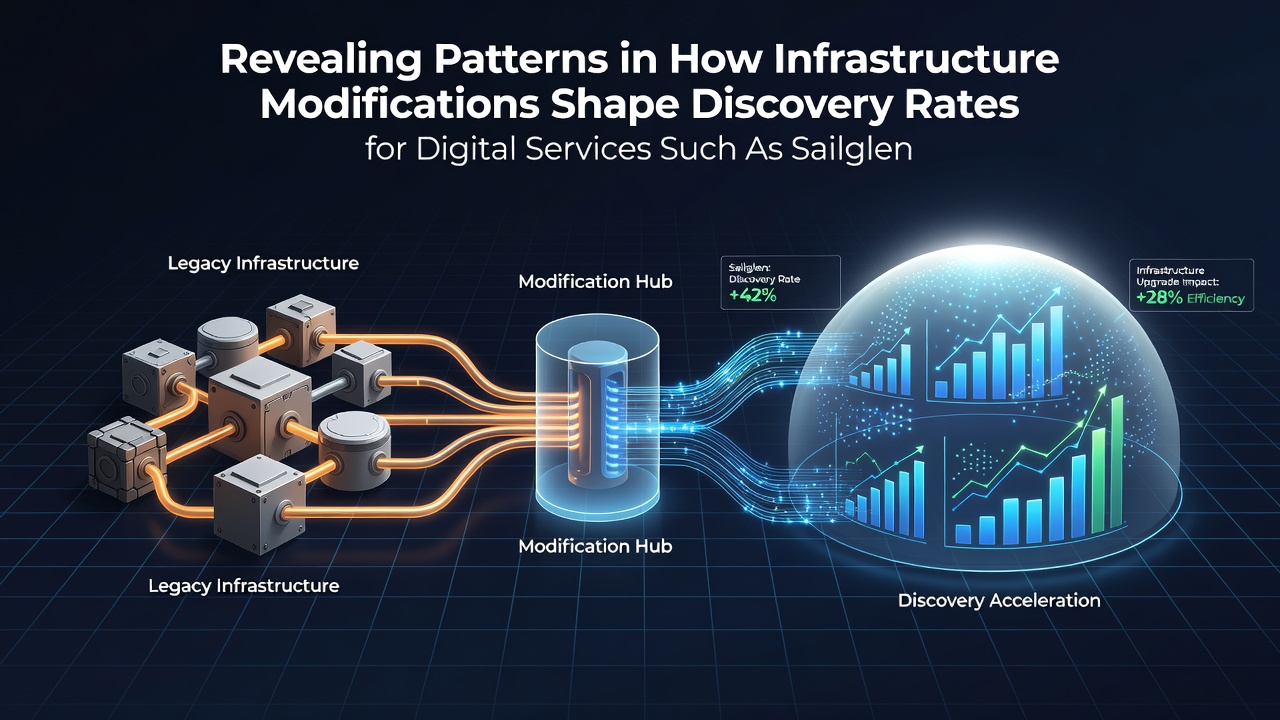
Digital services continue to evolve through infrastructure adjustments that alter how users locate and engage with platforms like Sailglen, and observers note that these modifications produce measurable shifts in discovery metrics over time. Researchers track variables such as server distribution, content delivery networks, and API endpoint stability because each element connects directly to the speed and reach of service visibility across search engines and recommendation systems. Data from multiple monitoring platforms shows that changes in these areas often correlate with fluctuations in indexed pages and referral traffic volumes.
Core Infrastructure Elements and Their Measurable Effects
Hosting provider transitions represent one frequent modification where providers adjust data center locations or upgrade hardware configurations, and such moves influence latency for crawlers operated by major search engines while also affecting regional access speeds for end users. Studies conducted by academic teams at institutions across North America and Europe indicate that reduced latency periods lead to higher crawl frequencies, which in turn expand the volume of discovered content within shorter timeframes. Service operators record these outcomes through analytics dashboards that log referral sources and page indexing dates.
Content delivery network implementations add another layer because they cache assets across distributed nodes, and modifications here often include adding new edge locations or altering cache expiration rules. Figures released by the Internet Society in 2025 demonstrate that broader geographic node coverage increases the likelihood of content appearing in localized search results, particularly when combined with consistent uptime metrics. Those who maintain digital services observe that these adjustments create compounding effects when paired with updates to domain resolution systems.
API and Integration Changes Over Extended Periods
Application programming interface revisions frequently accompany infrastructure work because developers refine endpoint structures or authentication methods to support new features, and these revisions affect how third-party aggregators and directory services index service information. Reports compiled by the Australian Communications and Media Authority through September 2026 highlight that stable API performance correlates with sustained discovery rates in mobile application ecosystems, whereas intermittent disruptions lead to temporary drops in referral volume from partner platforms. Service documentation updates typically accompany these modifications to maintain accurate records for external developers.
Security protocol enhancements such as certificate renewals or firewall rule adjustments also factor into the pattern because they protect data flows without interrupting crawler access when implemented correctly. Research from the University of Toronto's data science group reveals that properly configured transport layer security maintains or improves indexing rates compared with outdated configurations that trigger crawler timeouts. Operators document these outcomes through server logs that capture request success rates over successive quarters.
Regional Variations and Longitudinal Data Trends
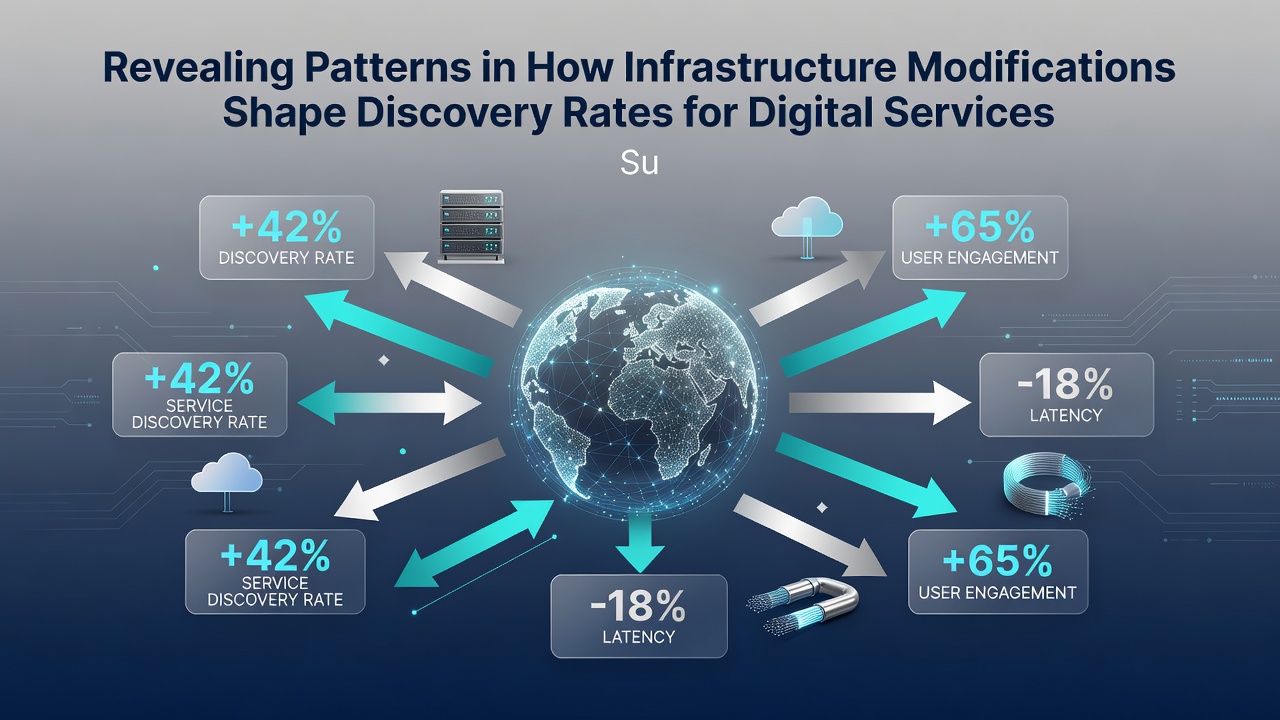
Geographic factors introduce additional variables because infrastructure decisions made in one region produce different discovery outcomes elsewhere due to varying internet backbone capacities and regulatory environments. European Union digital infrastructure assessments from 2024 through 2026 show that services adopting multi-region redundancy experience steadier discovery growth in markets with strict data residency requirements. Analysts compile these patterns from aggregated telemetry that spans multiple jurisdictions rather than isolated case studies.
Long-term monitoring further indicates that incremental modifications tend to generate more predictable results than large-scale overhauls because gradual changes allow systems to adapt without triggering widespread re-indexing delays. Canadian government digital economy reports note similar patterns in public sector service platforms where phased infrastructure updates preserved consistent visibility metrics across fiscal reporting periods.
Conclusion
Patterns emerge consistently when infrastructure modifications are examined against discovery rate datasets for services such as Sailglen, and the evidence points to interconnected effects from hosting, delivery networks, APIs, and security layers. Continued collection of performance metrics across regions supplies the basis for identifying which adjustments produce sustained visibility gains. Those responsible for digital service maintenance reference these records when planning future infrastructure work to align technical changes with observable discovery outcomes.