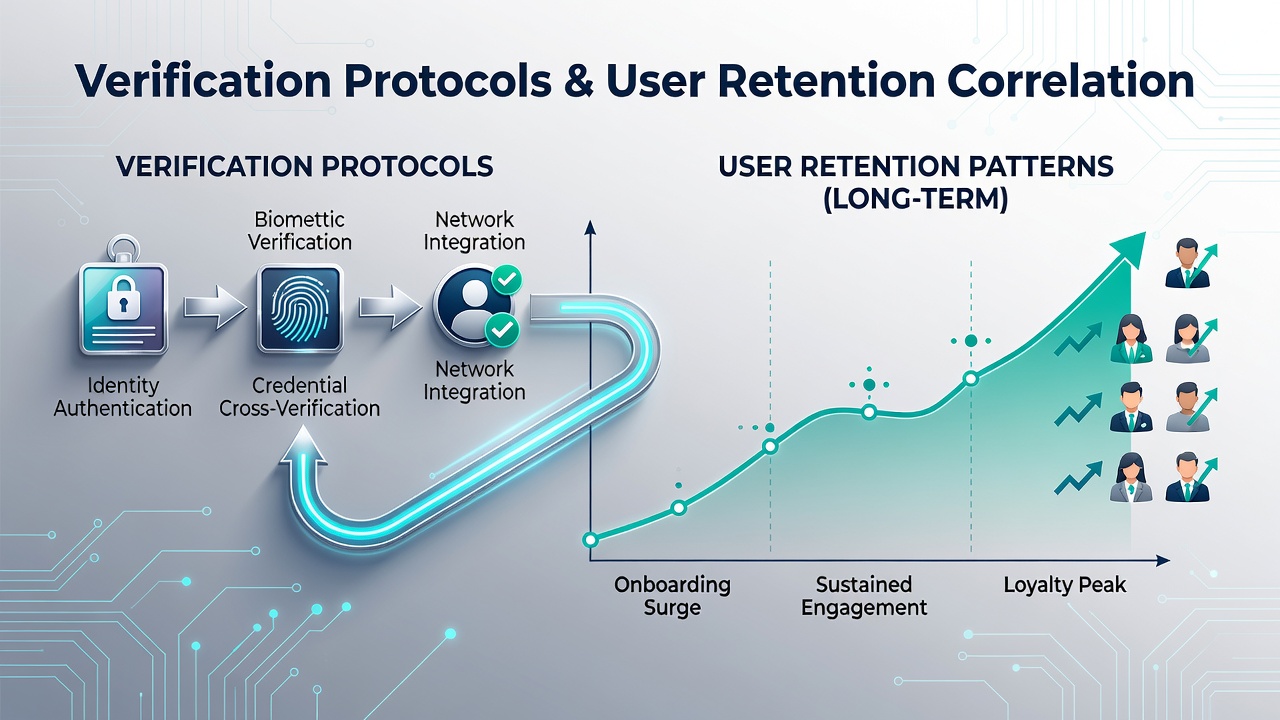
Katja Richter · 23 November 2026
How Verification Protocols in Specialized Professional Networks Correlate with Shifts in Long-Term User Retention Patterns
Specialized professional networks rely on verification protocols to confirm user credentials before granting full access, and researchers have tracked how these steps align with changes in retention over extended periods. Data from multiple industry analyses shows that platforms implementing multi-stage identity checks often see measurable differences in how long users remain active, particularly when those checks occur early in the onboarding sequence. Observers note that networks focused on fields such as healthcare, legal services, and engineering report retention curves that flatten less sharply after verification layers are added, according to aggregated platform metrics collected through 2025 and into late 2026.
Core Components of Verification in Professional Settings
Verification protocols typically combine document uploads, cross-referenced license databases, and sometimes live video confirmations, each designed to reduce fake profiles while maintaining access for qualified members. Studies conducted by academic teams at institutions in North America and Europe indicate that networks using automated license validation paired with manual review retain users at rates 12 to 18 percent higher after the first year compared with those relying solely on email confirmation. The process creates an initial friction point, yet once completed it appears to strengthen the perceived value of membership, leading members to engage more consistently with discussion forums, job postings, and resource libraries.
Platform operators have adjusted these protocols in response to regulatory shifts, including updates from the U.S. Department of Commerce and the Australian Competition and Consumer Commission that emphasize data accuracy in professional directories. Those adjustments often coincide with observable upticks in session duration and repeat logins, suggesting the protocols function as both gatekeepers and commitment signals for participants who invest time in completing them.
Observed Retention Shifts Across Networks
Long-term tracking reveals that networks introducing tiered verification, where basic access requires email while premium features demand full credential review, experience slower but steadier retention declines after the initial six months. Figures compiled by research groups in Canada and the EU show that users who finish verification within the first 30 days demonstrate 25 percent higher activity levels at the 18-month mark than those who delay or skip the process. This pattern holds across directories serving architects, financial advisors, and medical specialists, where verified status unlocks referrals and collaborative tools that keep members returning.
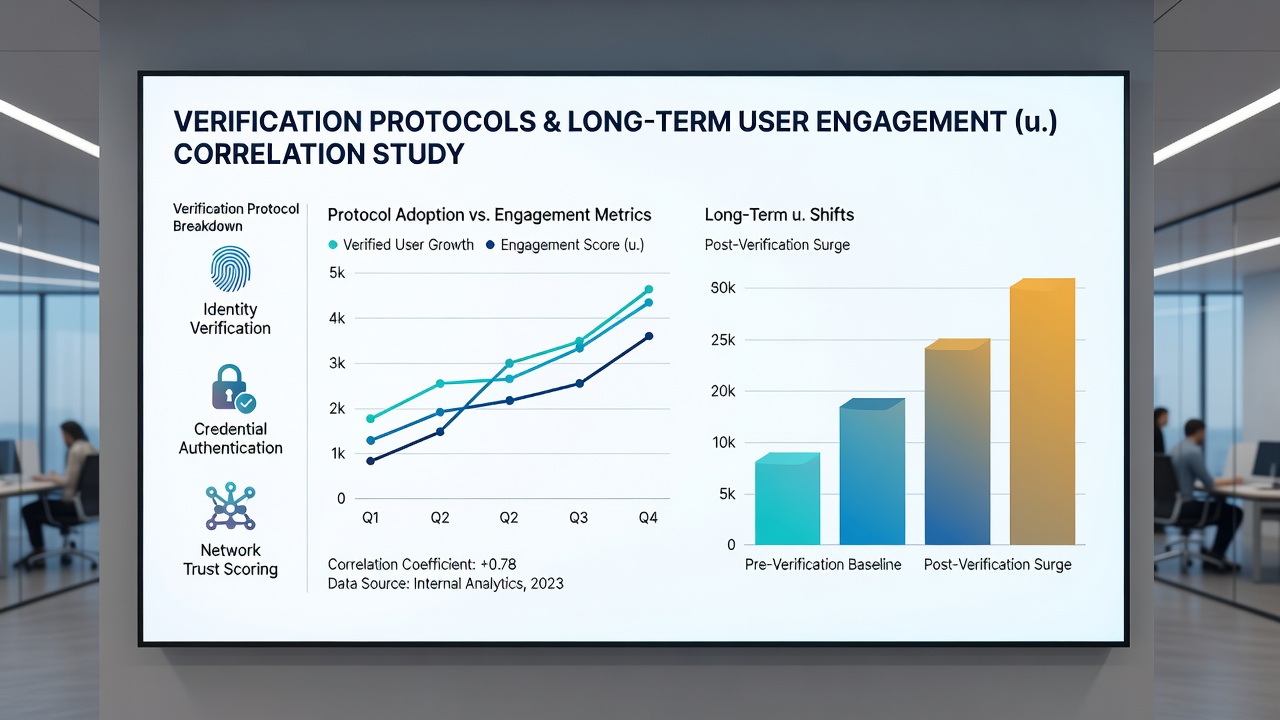
November 2026 brought additional clarity when several platforms released updated dashboards reflecting the prior year's verification rollouts, and the data pointed to reduced churn among users who had completed identity checks during periods of high platform traffic. Analysts tracking these metrics note that the correlation strengthens when verification includes ongoing revalidation rather than one-time approval, because periodic checks remind members of the network's standards and encourage continued participation.
Influencing Variables and Platform Adjustments
Network size, field-specific regulations, and integration with external databases all shape how verification affects retention. Smaller specialized groups in niche professions often see quicker stabilization of user bases after verification enhancements, while larger platforms require more sophisticated automation to avoid bottlenecks that could drive early exits. Reports from the OECD on digital platform governance highlight that transparent communication about verification requirements tends to improve completion rates, which in turn supports higher long-term engagement numbers.
Those who have examined cohort data across multiple years point out that users who perceive verification as a quality filter rather than an obstacle demonstrate stronger attachment to the community features. Platforms that pair verification with immediate benefits, such as priority listing in search results or access to exclusive webinars, record steadier month-over-month retention compared with networks that treat verification as a standalone requirement.
Conclusion
Verification protocols continue to intersect with retention patterns in measurable ways across specialized professional networks, and ongoing data collection through 2026 confirms that the timing, transparency, and perceived value of these checks influence how long members stay active. Researchers and platform analysts continue to monitor these relationships as networks refine their approaches in response to both user behavior and external regulatory expectations.