Riley Jung · 26 October 2026
How Third-Party Integrations Reshape Visibility Patterns for Emerging Online Platforms
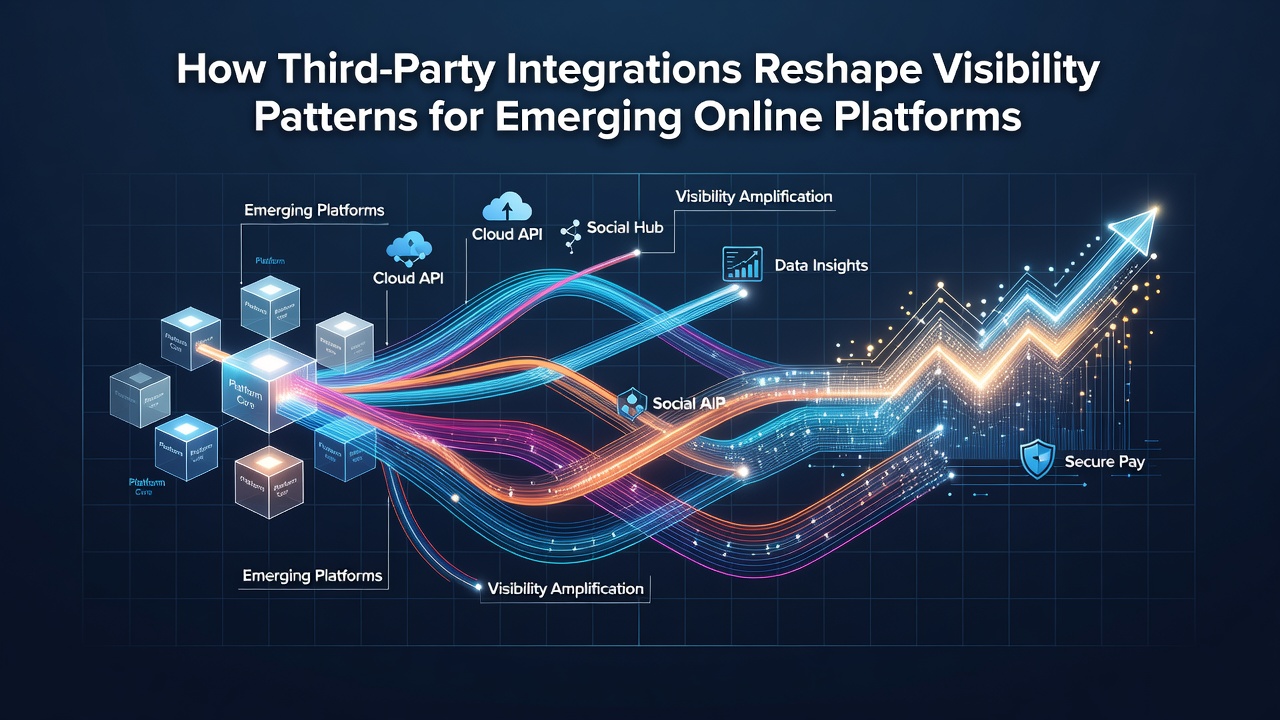
Emerging online platforms rely on third-party integrations to expand their reach, and these connections alter how search engines and recommendation systems index content. Data flows from external APIs, analytics services, and authentication providers create new signals that influence discovery rates. Researchers tracking platform growth have noted shifts in crawl frequency and ranking positions once services like payment processors and social sharing tools activate.
Visibility patterns change because integrations introduce external domains and scripts that search algorithms evaluate for relevance and authority. A new e-commerce site connecting to a logistics API, for instance, gains links and structured data that affect how product pages appear in results. Studies from university labs indicate that platforms using multiple integrations see measurable differences in indexed page counts within the first quarter of operation.
Data Exchange and Indexing Effects
Third-party services transmit metadata back to host platforms, and this exchange modifies the information available for search engine crawlers. When an emerging platform integrates customer relationship management tools, the resulting user-generated content and timestamps feed into sitemaps and structured markup. Observers note that these additions often correlate with improved visibility in localized search results across regions.
By October 2026 regulatory updates in several jurisdictions require clearer disclosure of data sources used by platforms, which has prompted developers to audit integration points more frequently. Australian government reports on digital competition highlight how such transparency measures influence how third-party data contributes to platform authority signals. Platforms that document their integration layers tend to maintain steadier indexing patterns compared with those that do not.
Authentication and Social Signals
Login integrations with established identity providers reduce friction for new users while generating referral traffic that search engines interpret as engagement metrics. Emerging platforms gain visibility when users share content through connected social accounts, creating backlinks and mentions that algorithms weigh during ranking updates. Data shows these referral patterns strengthen domain trust scores over successive months.
Analytics integrations further refine visibility by supplying behavioral data that informs content optimization. Platforms using multiple tracking services can identify which pages attract sustained attention, then adjust internal linking structures accordingly. European Commission documents on digital markets describe how these feedback loops accelerate content discovery for compliant platforms operating across member states.
Payment gateway connections add another layer because transaction confirmations often include product schema that appears in rich search results. One study of early-stage marketplaces revealed that those embedding commerce APIs experienced faster growth in featured snippet appearances than comparable sites relying on manual markup alone.
Performance and Crawl Budget Considerations
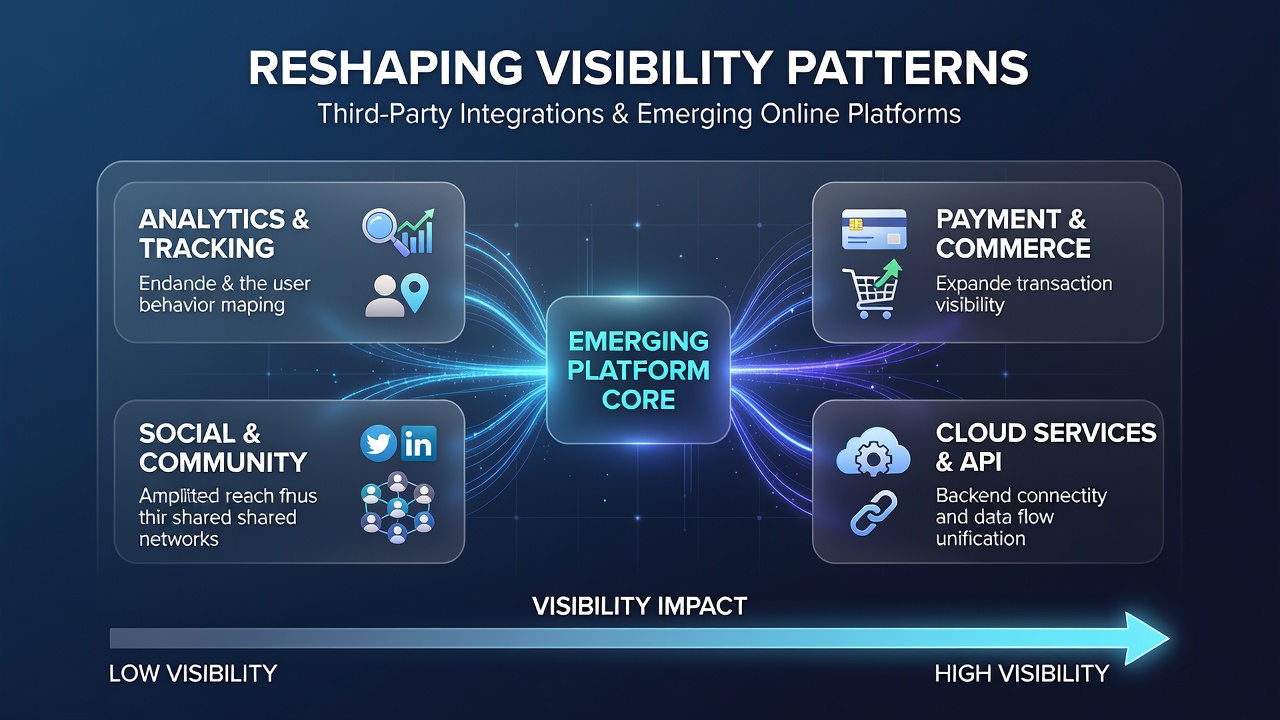
Integrations increase page load elements, yet optimized implementations preserve crawl budget by serving lightweight versions to search bots. Researchers have documented cases where platforms reduced script weight from third-party widgets and subsequently observed higher indexing rates for newly published pages. Those who monitor server logs report that certain analytics providers trigger more frequent visits from automated agents than others.
Content delivery networks paired with integration layers help distribute assets efficiently, which maintains consistent availability for crawlers. Canadian regulatory summaries on digital services note that platforms balancing third-party functionality with performance requirements sustain broader visibility across geographic markets. This balance becomes especially relevant when platforms expand into new regions where network conditions vary.
Long-Term Visibility Trends
Over multiple update cycles, platforms that maintain active integration ecosystems accumulate diverse link profiles and engagement signals. Academic papers examining platform growth trajectories show correlations between the number of vetted third-party connections and sustained positions in competitive search verticals. These patterns emerge gradually as external services index the platform's content through shared data channels.
Emerging platforms also benefit from integrations that support structured data standards, allowing search engines to parse information more precisely. When inventory or event data flows through partner APIs, the resulting markup improves eligibility for specialized result types. Observers tracking these developments in late 2026 record steady increases in such enhanced listings among platforms with mature integration strategies.
Conclusion
Third-party integrations continue to modify visibility patterns by introducing new data pathways, referral mechanisms, and technical signals that search systems evaluate. Platforms adopting these connections experience shifts in indexing speed, ranking stability, and content presentation formats. Documentation from regulatory bodies and research institutions confirms that careful management of integration points supports consistent discovery outcomes across evolving online environments.