Riley Jung · 12 October 2026
Connections Between Page Load Variations and Retention Signals in Targeted Online Directories
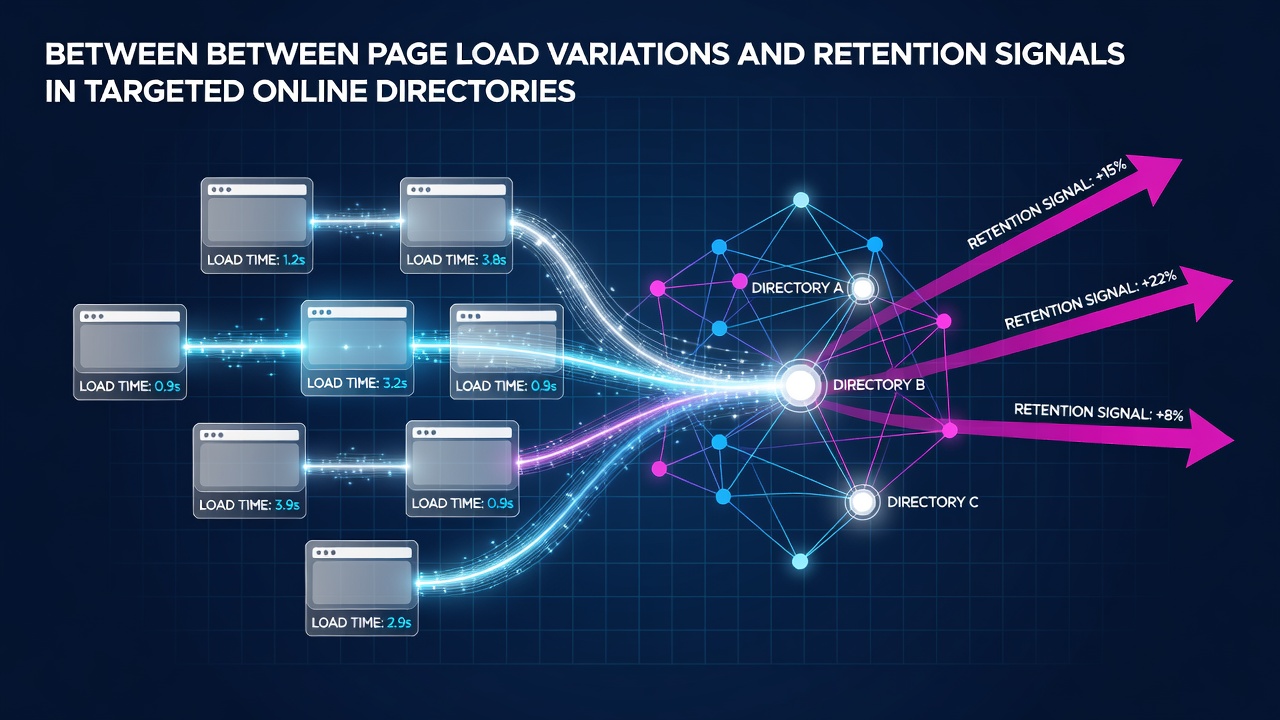
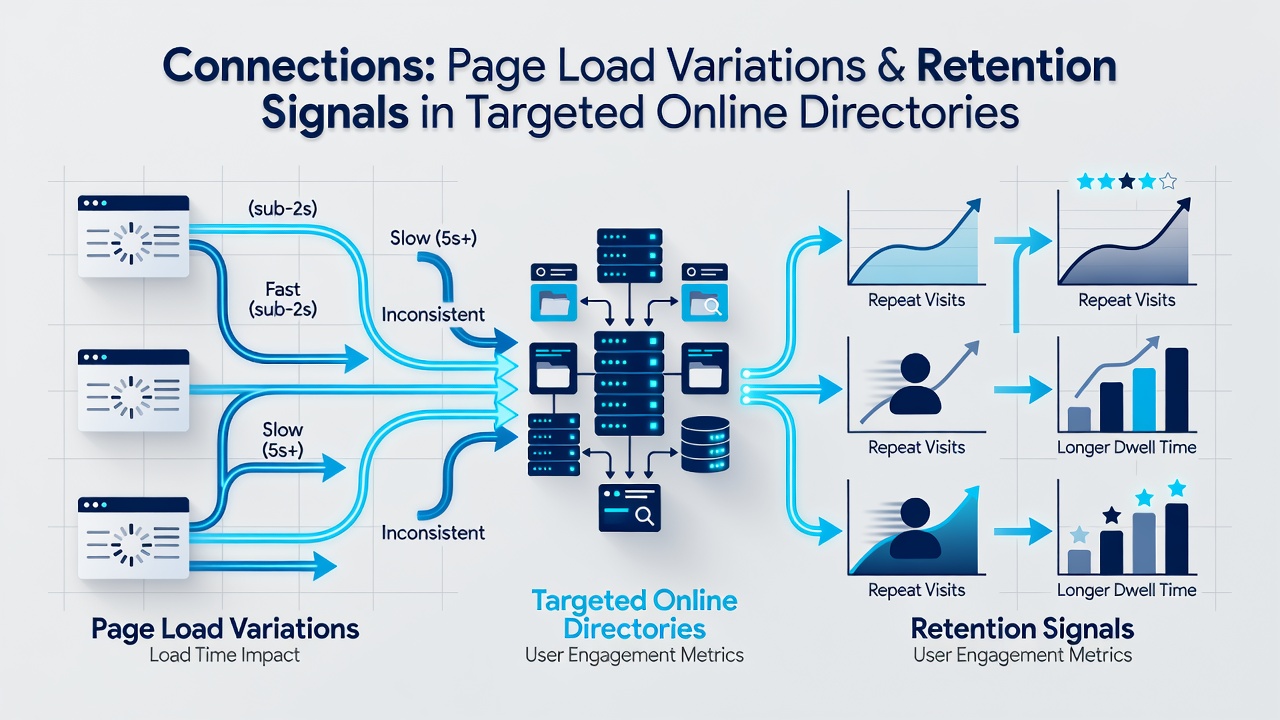
Page load variations influence retention signals across targeted online directories where users search for specific services or listings, and data shows that even small delays in rendering can shift how long visitors stay engaged with directory interfaces. Researchers tracking user behavior note that directories focused on niche categories experience measurable drops in session duration when load times stretch beyond typical thresholds, while faster responses correlate with higher rates of continued navigation through results pages.
How Load Time Metrics Interact with Directory Retention Patterns
Targeted directories collect retention signals through metrics such as time spent on category pages, number of listings viewed per session, and return visits within defined windows, and these indicators respond directly to differences in page load performance. Observers tracking multiple directory platforms have documented that variations in server response times affect the way users progress from search results to individual entries, with slower loads prompting earlier exits. Data collected through analytics tools reveals consistent patterns where directories optimized for quicker asset delivery maintain steadier engagement levels across user cohorts.
Studies examining web performance in directory environments indicate that content-heavy pages with embedded images and dynamic filters introduce more variability in load outcomes, and those variations align with changes in bounce rates recorded at the directory level. Experts analyzing traffic logs from specialized sites note that users accessing directories during peak hours encounter different latency profiles depending on regional server distribution, which in turn shapes how retention signals accumulate over time.
Regional Data Trends Observed Through October 2026
Analysis of directory traffic through October 2026 highlights shifts in retention metrics tied to page load consistency across different geographic segments, and platforms serving users in North America and Europe display distinct responses to optimization efforts. Reports compiled by research groups show that directories incorporating progressive loading techniques sustain longer average sessions even when initial connection times fluctuate, whereas static rendering approaches produce more pronounced retention dips during high-traffic intervals.
Those monitoring user pathways in professional and service-oriented directories find that retention signals strengthen when load variations stay within narrow ranges, allowing visitors to scan multiple categories without interruption. Academic examinations of similar systems demonstrate that mobile access patterns amplify the effects of these variations, since directory interfaces often rely on responsive elements that add processing overhead on smaller devices.
Factors Driving Load Variations in Directory Environments
Directory platforms rely on combinations of content delivery networks, caching layers, and database query efficiencies that together determine how quickly listings appear, and changes in any of these components create the load variations that affect retention. Observers have recorded instances where directories handling high volumes of user-generated content experience periodic spikes in load duration, correlating with temporary reductions in pages viewed per visit. Research indicates that directories serving location-specific results introduce additional variables through map integrations or localized data pulls, which can extend load sequences and influence subsequent user actions.
Evidence from performance audits points to differences in how directories structure their search indexes, with some maintaining faster retrieval times through precomputed result sets while others query live data sources and encounter greater variability. Users navigating directories with extensive filtering options encounter load patterns that differ from those using simpler search forms, and these patterns align with measurable differences in session completion rates tracked across the platforms.
Retention Signal Responses Across Directory Types
Specialized directories focused on professional networks, service referrals, or community resources display retention responses that scale with the complexity of their page structures, and load variations become more noticeable in directories that integrate third-party verification elements or real-time availability indicators. Data shows that directories prioritizing minimal interface elements often record steadier retention signals during periods of fluctuating network conditions, whereas feature-rich layouts amplify the impact of slower asset delivery.
Analyses conducted on platforms operating in multiple regions reveal that retention metrics in targeted directories respond to cumulative load effects across sequential page views, not just initial entry points. When directories update their listing presentation formats, the resulting load variations produce corresponding adjustments in how long users remain active within the site structure, according to aggregated traffic observations.
Conclusion
Connections between page load variations and retention signals continue to shape operational considerations for targeted online directories, with performance data providing clear indicators of how users interact with these platforms. Continued monitoring of these relationships supports refinements in directory infrastructure that align with observed user pathways and engagement durations.